

As emissions regulations tighten and precious metal markets remain volatile, catalytic converter recycling continues to play a vital role across Singapore, Malaysia, and Southeast Asia. However, the rapid pickup of electric vehicles (EVs) is reshaping the automotive landscape whilst raising important questions about the future of catalytic converter scrap and pricing.
In this guide, we explain how catalytic converter recycling works, what determines catalytic converter scrap price, how used catalytic converter prices are evolving, and what the rise of EVs means for sellers and recyclers in the region.
Why Catalytic Converter Recycling Matters in Southeast Asia
Despite growing EV adoption, internal combustion engine (ICE) vehicles still dominate roads across Southeast Asia for at least the next 10 years. Millions of petrol and diesel vehicles remain in use, ensuring a steady supply of catalytic converter scrap for years to come.
Recycling catalytic converters:
- Reduces dependence on newly mined precious metals
- Supports the circular economy in Southeast Asia
- Recovers platinum, palladium, and rhodium for reuse in critical industries
For workshops, scrapyard operators and scrap dealers, catalytic converter recycling remains a key revenue stream even as the market evolves.
What Is Catalytic Converter Recycling?
Catalytic converter recycling is the process of recovering valuable platinum group metals (PGMs) from used or spent catalytic converters. These PGMs are essential not only for automotive catalysts but also for chemical processing, electronics, and clean energy technologies.
This makes accurate testing and transparent pricing critical to determining true catalytic converter scrap value.
How Catalytic Converter Recycling Work
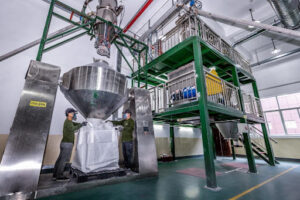
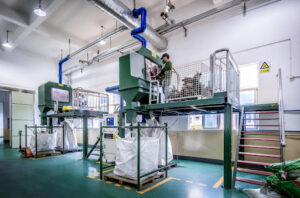
The recycling process typically involves four key stages:
-
Collection of Used Catalytic Converters
Converters are sourced from workshops, fleet operators, scrapyards, and industrial partners.
-
Decanning & Material Processing
The outer steel shell is removed to extract the ceramic or metallic substrate that contains precious metals.
-
Sampling & Analysis
Accurate sampling and laboratory analysis determine the platinum, palladium, and rhodium content. This step directly impacts the catalytic converter scrap price.
-
Refining & Metal Recovery
Recovered precious metals are refined at our partner refineries and returned to the global supply chain.
What Determines Catalytic Converter Scrap Price?
The catalytic converter scrap price is not fixed. It depends on multiple technical and market-driven factors.
-
Precious Metal Content
Different converters contain different PGM loadings. Even similar looking units can have very different values.
-
Vehicle Make, Model & Region
Converters from Asian, European, and American vehicles vary widely in design and metal composition. This strongly affects used catalytic converter prices.
-
Global Precious Metal Prices
Platinum, palladium, and rhodium prices fluctuate daily, directly influencing catalytic converter scrap values in Singapore and Malaysia.
-
Converter Condition
Complete, intact catalytic converters generally command better prices than damaged or incomplete units.
-
Volume of Catalytic Converter Scrap
Larger volumes often result in better commercial terms due to processing efficiencies.
Used Catalytic Converter Prices: Common Misconceptions
Many sellers assume all catalytic converters have similar value. In reality:
- External appearance does not reflect metal content
- Weight alone is not a reliable indicator
- Transparent testing and data-backed pricing are essential
This is why real-time data and accurate model-based pricing have become critical in modern catalytic converter recycling.
Transparent Pricing with the BR Metals Catalytic Converter Pricing App
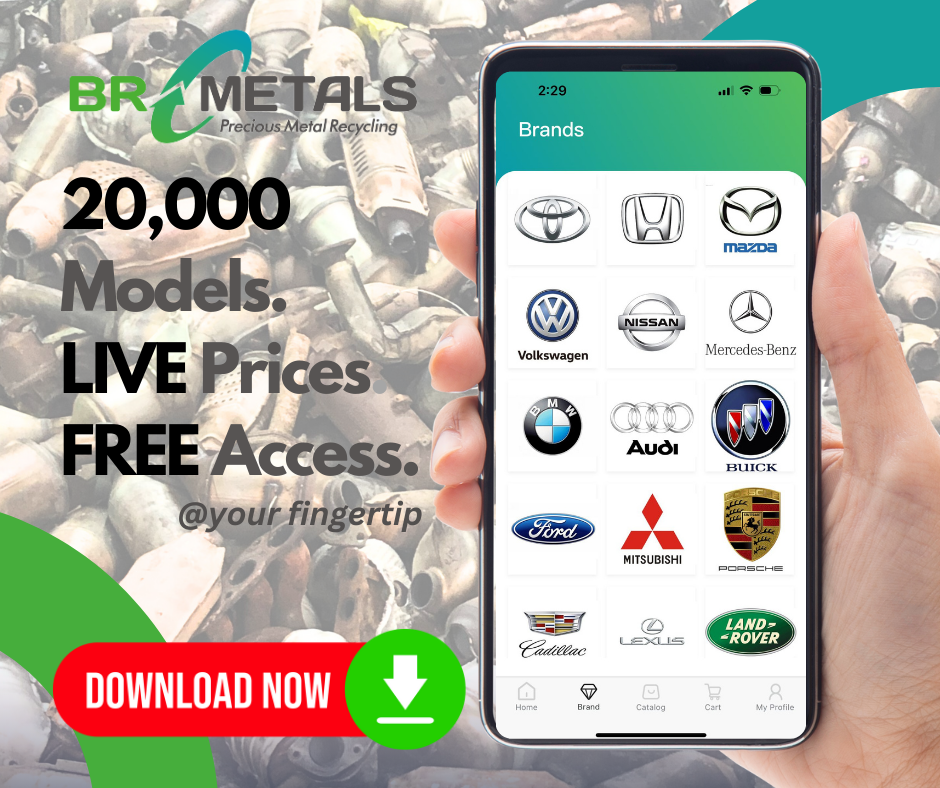
To bring transparency and confidence to the market, BR Metals as a catalytic converters refinery in Singapore has developed a free catalytic converter pricing app for customers across Southeast Asia.
Key Benefits of the BR Metals Pricing App
- Live pricing for 20,000+ catalytic converter makes and models
- Coverage focused on Southeast Asia and China vehicle markets
- Reflects real used catalytic converter prices, not estimates
- Enables faster, fairer settlement for sellers
The app empowers workshops, scrap dealers, and fleet operators to understand catalytic converter scrap value before selling whilst removing guesswork from the recycling process.
The Rapid Pickup of Electric Vehicles: What It Means for Catalytic Converter Recycling
Electric vehicle adoption is accelerating across Singapore, Malaysia, Thailand, and Vietnam, driven by government incentives, emissions targets, and growing infrastructure. While EVs do not use catalytic converters, their rise does not signal an immediate decline in catalytic converter recycling.
Key Implications for the Industry
-
Long Transition Period
ICE vehicles will remain on the road for decades. Older vehicles reaching end-of-life will continue to supply catalytic converter scrap well into the 2030s.
-
Increased Focus on Hybrid Vehicles
Hybrid vehicles still use catalytic converters – often with higher precious metal loadings due to stricter emissions requirements, supporting strong scrap values.
-
Shift Toward Professional, Data-Driven Recycling
As supply gradually tightens, accurate pricing, advanced analysis, and transparent settlement become even more important.
-
Strategic Importance of Precious Metals
Platinum group metals remain critical not only for catalytic converters but also for hydrogen technologies, fuel cells and industrial catalysts, supporting long-term demand.
For catalytic converter sellers, this means quality, transparency and timing matter more than ever.
Used Catalytic Converter Prices: Why Transparency Matters
A common misconception is that all catalytic converters are priced similarly. In reality:
- Appearance does not indicate value
- Weight alone is unreliable
- Model-specific data is critical
As the market matures and EV adoption increases, professional pricing tools are becoming the industry standard.
Why Catalytic Converter Scrap Prices Will Continue to Fluctuate
Price volatility will remain a feature of the market due to:
- Gradual EV adoption alongside ICE vehicle retirement
- Global precious metal supply constraints
- Changing emissions standards and catalyst designs
Understanding these trends allows sellers to plan strategically rather than reactively.
Transparent Pricing with the BR Metals Catalytic Converter Pricing App
To support customers through this evolving market, BR Metals has developed a free catalytic converter pricing app designed for Southeast Asian conditions.
Key Features
- Live pricing for 20,000+ catalytic converter makes and models
- Strong coverage of Southeast Asia and China vehicle markets
- Reflects real used catalytic converter prices, not rough estimates
- Enables faster, fairer and more transparent settlements
The app is created to empower workshops, scrap dealers, and fleet operators to understand catalytic converter scrap value before trading, reducing risk and improving trust.
How to Maximise Catalytic Converter Scrap Value in Singapore & Malaysia
- Work with reputable, established recyclers
- Use model-based pricing tools
- Prioritise transparent sampling and analysis
- Build long-term partnerships instead of one-off transactions
Conclusion: The Future of Catalytic Converter Recycling in an EV Transition
While electric vehicles are reshaping the automotive industry, catalytic converter recycling remains highly relevant across Singapore and Southeast Asia. The key difference is that the industry is becoming more professional, data-driven, and transparent.
By understanding catalytic converter recycling, monitoring used catalytic converter prices, and using tools like the BR Metals pricing app, sellers can continue to unlock strong value even as the market evolves.
For businesses and individuals asking why choose us as catalytic converter companies in Singapore, BR Metals stands out through accurate pricing with maximum value, ethical recycling practices, and real-time market insights.